

Everything You Need to Know About Steel Building Design
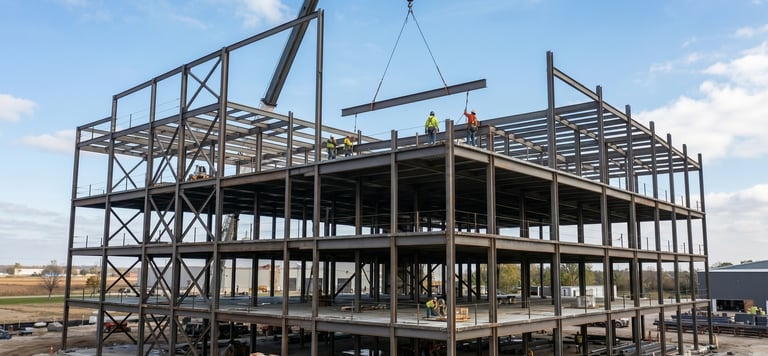
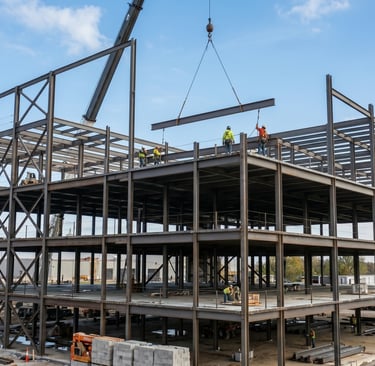
Steel building design has transformed the modern construction industry by offering a combination of strength, flexibility, and cost efficiency. From industrial warehouses and manufacturing plants to commercial buildings and agricultural facilities, steel structures have become the preferred choice for projects due to their durability.
Whether planning a new construction project or expanding the existing building, understanding the fundamentals of building design will help you optimise the building and well informed about the building purposes.
What Is Informed About Steel Design?
Steel design is the engineering process of planning and creating a structural framework using steel components such as columns, beams, trusses, and braces. The goal is to develop a building that well supports of expected loads while meeting functional and architectural.
Unlike masionary construction methods, steel buildings are often fabricated in factory with precision manufacturing method and assembled at the project location. This approach reduces construction time, minimizes material waste, and improves quality control. The method are same with the pre-fabrication or well-known as concrete precast building, but the differences are the material in fabrication.
The Key Components of The Steel Building
The components are commonly same as the other building, but only the structure material is different. A well-designed building consists of several structural elements that work together to provide stability and strength. The structures consist of:
Steel Columns
Columns are the primary vertical supports that transfer loads from the roof and upper structure to the foundation.
Steel Beams
Beams span between columns and support floors, roofs, and additional structural loads. Proper beam sizing is essential for maintaining structural integrity.
Roof Trusses
Roof trusses distribute roof loads evenly while allowing for large open spaces without interior support columns, making them ideal for warehouses and industrial facilities.
Bracing Systems
Bracing improves a building's resistance to wind, earthquakes, and lateral forces, ensuring overall structural stability.
Connections/Joint
Bolted and welded connections secure structural parts together and make a building rigid. Play a critical role in the building's overall structure.
Every steel construction project is unique, and several factors must be evaluated during the design phase. Many factors affect the steel building design, such as the purpose of the building, The Environmental conditions where the building exists, standard regulation that regulate the building structure and lastly, the future expansion planning to fulfill demands.
Benefits of The Building Using Steel as The Main Structure
Faster Construction
Because steel components are prefabricated in controlled manufacturing facilities, installation on-site is significantly faster than conventional construction methods. This helps reduce project timelines and labor costs.
Superior Strength
Steel offers an exceptional strength-to-weight ratio, allowing buildings to support heavy loads while using less material than many traditional structural systems.
Design Flexibility
Steel enables architects and engineers to create large clear-span spaces, unique architectural features, and customized layouts suitable for a wide range of industries.
Sustainability
Steel is one of the world's most recyclable construction materials. Many structural steel products contain recycled content, making steel buildings an environmentally responsible choice for sustainable construction.
Lower Maintenance
Modern protective coatings and corrosion-resistant treatments help extend the lifespan of steel structures while reducing maintenance costs over time.
Conclusion
Steel building design combines engineering precision, construction efficiency, and long-term durability, making it an ideal solution for industrial, commercial, and institutional projects. By carefully considering structural requirements, environmental conditions, material quality, and future operational planning, we create buildings that are safe in operational, cost-effective, built to last and comply with regional regulations.
Whether you are constructing a warehouse, manufacturing facility, office building, or logistics center, hiring the professional steel building design company ensures your project delivers maximum value, performance, and sustainability for years to come.