

Key Considerations When Planning a Steel Construction Project
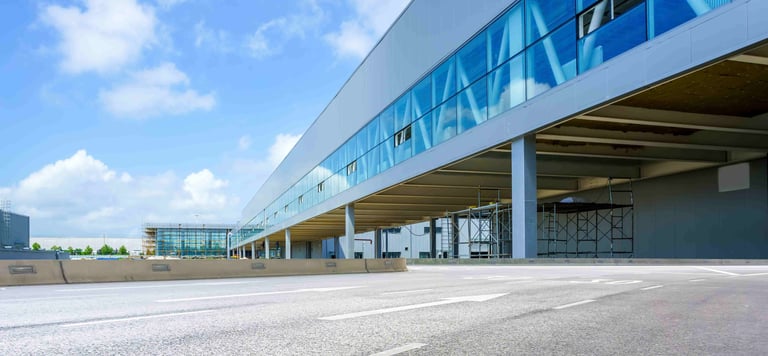
Steel construction projects has become widely used today and are main solution for industrial, commercial, and warehouse building projects because of their strength, durability, and rapid construction. The key to success depends on careful planning and execution. Understanding the key considerations before construction begins can help reduce costs, improve efficiency, and ensure long-term performance.
1. Define Project Requirements and Objectives
The first step in planning a steel construction project is identifying the building's purpose and operational requirements. Consideration factors such as the structure's dimensions, load capacities, future planning, and the building's purpose. A project's objectives allows engineers and designers to develop a steel structure that meets either current or future demands.
2. Conduct Site Assessment
Site conditions has a crucial role in steel construction and structure design. Before finalizing project, it is important to evaluate soil conditions, topography, drainage systems, environmental factors, and accessibility. A comprehensive site assessment helps identify potential challenges that may affect foundation design, construction schedules, and overall project costs. Feasible planning at this stage minimizes unexpected issues when construction is established.
3. Choose the Right Structural Design
The structural design of a steel building can affect durability, safety, and cost. Engineers must consider factors such as wind loads, seismic activity, snow loads, and building standard regulation in each region. Selecting the appropriate steel framing system, beam sizes, column configurations, and connection details ensures the structure can withstand operational and environmental demands. Working with experienced structural engineers is essential to achieving an efficient and code-compliant design.
4. Budget Planning and Cost Management
Budgeting is one of the most important aspects of any steel construction project. Costs may include:
Design Structural steel construction
Fabrication and manufacturing
Transportation and logistics
Site preparation
Foundation construction
Erection and installation
Finishing and maintenance
Calculating an effective budget and mitigation the construction helps prevent cost overruns and ensures financial stability throughout the project.
5. Material Quality and Supplier Selection
The quality of structural steel directly affects the durability and safety of the finished building. Selecting reputable steel suppliers and fabricators is critical to ensuring compliance with industry standards and project specifications. High-quality materials offer better corrosion resistance, structural integrity, and long-term performance. It is also beneficial to work with suppliers who can provide quality certifications and consistent delivery schedules.
6. Compliance with Building Regulations in The Region
Every construction project must comply with local building codes, safety regulations, and engineering standards. Failure to meet these requirements can result in project delays, legal complications, and increased costs. Coordinating with stakeholders, regulatory authorities and engineering consultants ensure obtain that permits, inspections, and approvals.
7. Construction Timeline and Project Scheduling
One of the major advantages of steel construction is its speed. However, successful project delivery requires detailed scheduling and coordination among designers, fabricators, suppliers, and contractors. Developing a realistic project timeline helps manage resources effectively, reduce downtime, and keep construction activities on track. Regular progress monitoring also allows teams to address potential delays before they impact completion dates.
8. Future Expansion and Sustainability
Modern steel buildings are often designed with future growth in mind. Planning for expansion during the design phase can reduce future construction costs and operational disruptions. Additionally, steel is one of the most sustainable construction materials available. Its recyclability, durability, and efficient use of resources make it an environmentally responsible choice for modern building projects.
Conclusion
Planning a successful steel construction project requires careful consideration of design requirements, site conditions, budgeting, material quality, regulatory compliance, and long-term operational needs. By addressing these factors early in the planning process, project owners can maximize efficiency, control costs, and ensure a safe, durable, and high-performing structure. Hiring an experienced steel construction consultant is the solution to achieve a successful outcome and maximize the value of your investment.