

Understanding CSA S16:2024 – Design and Construction of Steel Structures and What Designers Should Know
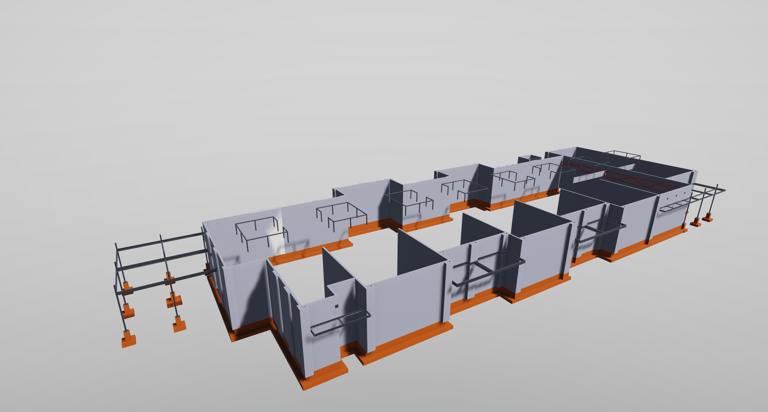
Designing steel structures in Canada needs a lot of experience and requires more than engineering expertise because there is a demands about strict compliance with the board of national standards. One of the most important standards for steel structure design is CSA S16:2024 – Design and Construction of Steel Structures. The regulation was published by the Canadian Standards Association (CSA), this standard establishes the technical requirements for designing, fabricating, and constructing steel structures that are safe, durable, and code-compliant.
Understanding CSA S16:2024 is essential to establish reliable steel structure construction. Whether designing a commercial building, warehouse and institutional facility.
What Is CSA S16:2024?
CSA S16:2024 is Canada's primary standard for the design and construction of structural steel buildings and other steel structures. It is referenced by the National Building Code of Canada (NBCC) and adopted through provincial and territorial building codes, making it as the main guidance for structural steel engineering across the country.
Why Is CSA S16:2024 Important?
CSA S16:2024 is important to provide consistent guidance for designing steel structures that meet Canada's safety, regulation and quality expectations. Following the standard will help engineers to meet several reasons:
Design safe and reliable steel structures.
Meet the requirements of the National Building Code of Canada.
Ensure structural stability under various loading conditions.
Improve constructability and fabrication efficiency.
Reduce design risks and long-term maintenance issues.
Key Design Areas Mentioned in CSA S16:2024
Many aspects was mentioned in CSA S16:2024 about steel structural design. Most topics are familiar, including:
Comprehensive Design
Design requirements for structural components under tension, compression, bending, shear, and combined loads are outlined in the standard. Designers must ensure that beams, columns, braces, and trusses have adequate capacity while maintaining structural stability and serviceability.
Stability and Buckling
Steel structures can fail due to instability before reaching their material strength. In the CSA S16 document was mention, comprehensive provisions for evaluating local buckling, lateral-torsional buckling, and overall structural stability, helping engineers produce safe and economical designs.
Connection Design
Connections between steel elements are critical to the performance of any steel structure. The standard specifies the design requirements for bolted and welded connections, including load transfer, connection strength, detailing, and fabrication considerations.
Composite Construction
For buildings that combine structural steel and reinforced concrete systems, CSA S16 provides guidance on composite beams and floor systems, allowing designers to optimize structural efficiency.
Fabrication and Erection
Beyond engineering calculations, CSA S16 outlines requirements related to fabrication quality, erection practices, structural tolerances, and coordination between designers and fabricators.
What Designers Should Know
The consultant designer working on Canadian steel construction projects should understand that CSA S16:2024 is the main part of the overall regulatory framework. Successful steel building design also requires coordination with several related standards and project-specific requirements.
Key considerations include:
Designing in accordance with the latest National Building Code of Canada (NBCC).
Verifying project-specific wind, snow, seismic, and live loads.
Selecting structural steel materials that comply with regulations
Coordinating welding requirements where applicable.
Preparing clear structural drawings and connection details to support fabrication and construction.
Working closely with architects, fabricators, and contractors to minimize design conflicts and construction rework.
Because building regulations may differ between provinces and territories, designers also verify with any local regulations and licensing requirements before beginning a project.
Conclusion
Adopting modern engineering tools such as Building Information Modeling (BIM) and Proper compliance helps improve structural safety, simplifies regulatory approvals, enhances construction quality, and supports efficient project delivery. CSA S16:2024 remains the cornerstone of structural steel design in Canada. By understanding its requirements and integrating them with the National Building Code of Canada and other relevant CSA standards. Well-prepared steel structure design also benefits from reduced maintenance requirements, improved durability, and greater long-term value for owners and occupants.